When it comes to moving your dining set, you want to ensure it arrives at its new destination in the same condition as it left your old home. With countless laughs, meals, and memories shared around the table, you want peace of mind in knowing it is protected during transit. If you’re looking to pack and move your dining table by going the DIY route, review this guide for steps on how to effectively pack and move your dining set safely from point A to point B.
What You Need
-
Blankets
Utilize blankets you already have in your current home as extra protection by wrapping them around the set.
-
Bubble Wrap
Use bubble wrap as an extra protective layer for your dining set, especially around areas that may be more fragile.
-
Furniture Pads
These might not be readily available at your home, but they can be purchased at local home improvement stores. Furniture pads are typically more durable than blankets, and act as enhanced protection during transit.
-
Stretch Wrap
Stretch wrap is vital for dining sets as it ensures all items remain intact during the move.
-
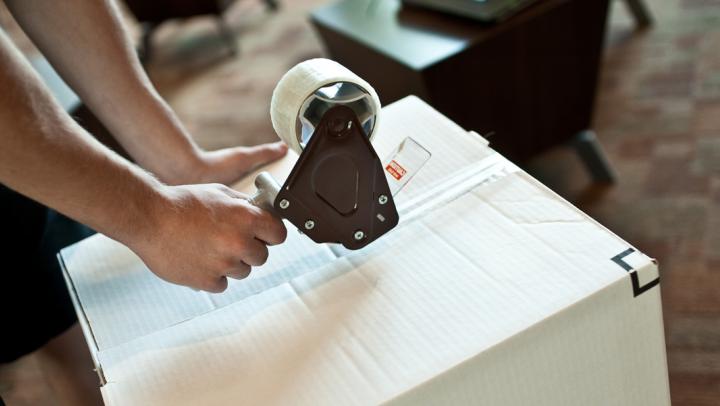
Packing Tape
Use packing tape for holding blankets, pads, and bubble wrap in place.
-
Corner Protectors
These little protectors act like cushions to keep corners of your dining set safe from potential damage during the move.
-
Foam Sheets
If your dining set has any type of glass component, such as a glass top, these foam sheets add an additional protective layer to avoid breakage.
-
Flat Cardboard
Similar to the foam sheets, flat cardboard can be used to create sturdy protective layers for glass dining set tops.
-
Labels
Labels will help you note which pieces of the set go where when it comes time to disassemble and reassemble.
-
Zip Top Bags
These bags are ideal for holding smaller contents such as bolts, screws, and brackets when disassembling the dining set for moving.
-
Ratchet or Cam Straps
These straps can be used to further secure all pieces of your dining set in place when you’re moving from one space to the next.
Step-by-Step Instructions
-
1Step 1Packing Preparation
Before you pack, it’s important to start with a quick inspection of your dining set. Notice your table’s materials and features, such as glass tops or inserts, veneers, decorative inlays, or extendable leaves. Various components to your dining set will determine the type of padding and handling needed to ensure damages do not occur during the move.
-
2Step 2Gather Your Supplies
Once you make note of each aspect of your dining table, you can begin to gather your packing supplies. It's important to gather supplies in advance so you’re prepared come move date. Again, it’ll depend on the type of dining set you have, but supplies can range from bubble wrap to furniture pads to stretch wrap to foam sheets to flat cardboard.
-
3Step 3Plan the Disassembly
Before you disassemble your dining set, take pictures from multiple angles, especially the underside where the table legs connect. Label each piece of the table. This is an extremely important step as it will save you time when it comes to reassemble your set at your new destination.
-
4Step 4Disassemble the Dining Set
Begin by removing the detachable parts. Pull out the table leaves and any glass inserts. Put the table onto a secure, padded surface and unbolt one leg at a time, while you have a helper to keep the frame steady. Place each hardware set with its corresponding leg in zip-top bags. This will help to keep your dining set organized and ensure you don’t lose any important pieces.
-
5Step 5Protect Your Dining Table
Wrap your tabletop in blankets or furniture pads. If your tabletop is made out of solid wood or veneer, lay a moving blanket over the surface, add bubble wrap, and safely secure with stretch wrap. Next, add corner protectors to shield the table’s edges. If you have a glass top, create a secure “sandwich.” Wrap the glass in paper, then layering with bubble wrap, and finally placing your flat cardboard on both sides and securing with tape. Label the glass as “FRAGILE” and “DO NOT LAY FLAT.”
Protect the legs of your dining table and the leaves by wrapping each piece individually with bubble wrap and furniture pads. Use tape on the padding, not on finished surfaces. If you’re moving a dining chair set, stack lightweight chairs seat-to-seat with padding in between, or wrap each chair individually with a furniture pad and stretch wrap. It’s important to bundle and label small accessories, such as bolts and screws, and tape them to their appropriate parts to make the reassembly a smooth experience come time.
-
6Step 6Loading
When it comes time to load all parts of your dining table, be sure to carry heavy items close to your body and always bend at the knees to avoid potential injuries or damages. If available, it helps to use a furniture dolly and moving straps to control weight and balance, especially if you’re moving a full dining set.
When placing onto the moving truck, load the tabletop on its side, not flat, to reduce any damages or warping while in transit. Place it against the wall of the truck and use blankets for extra cushioning. Strap the tabletop securely at the top and bottom to avoid any shifting, and load legs, leaves, and any glass panes upright with padding in between each piece. Remember to keep heavier items on the floor of the truck and lighter ones above, and never stack anything on your tabletop or glass.
-
7Step 7Unpacking
If your dining set is made out of wood, it's best to let it acclimate if there are any major temperature or humidity changes when you arrive at your new destination. Although you have carefully wrapped each piece, be sure to check for any damages that may have occurred during the moving process. Reinstall legs using the photos and labels as your guide. If your have a glass tabletop, clean the edges and set it gently in place with rubber or felt pads to avoid pressure points. Finally, check your dining table for any wobbling and adjust as needed.
Thinking of Moving Yourself?
Think Again!
While moving yourself may seem less expensive... the costs add up.
Do-It-Yourself Moving Costs:
- Truck Rental
- Mileage
- Fuel Charge
- Additional Insurance
- Equipment Rental
(straps, rope, furniture pads, bungee cords, stretch wrap, dollies, etc.)
- Time
- Boxes & Packing Supplies
- Possible Damages
(belongings, relationships, & injuries)
- Recruiting Friends to Help
- Food & Beverages
- Chiropractor Visits
- Packing a Truck
- Learning How to Maneuver a Moving Truck
- Broken Promises
Call TWO MEN AND A TRUCK
We can move as much or as little as you need while fitting your schedule & budget!